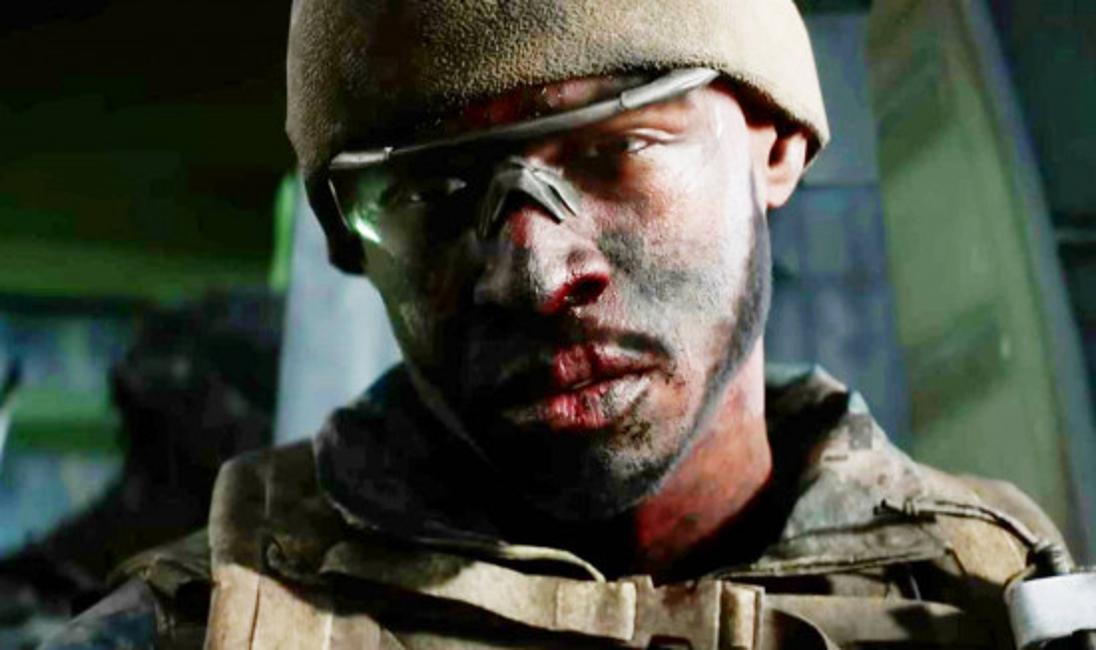
Okay, let's talk Battlefield. More specifically, Battlefield 6, or whatever they end up calling it. I keep coming back to this point: Movement. For many, it's the core of what makes or breaks a shooter. And in recent Battlefield titles, there's been… well, let's just say 'spirited debate' about its quality. Think slippery ice skating versus grounded, responsive control. You know what I mean? That's always the deal.
Now, a notorious movement exploit? That's juicy. We're not just talking about a minor annoyance here; we're talking about something game-breaking enough to warrant a developer's explicit attention and a promise to patch it. I’ve seen some wild stuff over the years, from bunny-hopping to unintended speed boosts, but this one must be something special to elicit such a strong response. Let me try to give you more insight about this.
And you know what? Thinking about movement exploits actually gets me thinking about broader game balance. Is something truly 'broken' if a dedicated community embraces it and finds new strategies and playstyles emerging from it? Actually, that's not quite right...it IS broken. Because exploits give an unfair advantage.
Battlefield 6: The Movement Exploit That Caused a Stir
Details are still emerging, naturally. The frustrating thing about this is the lack of hard specifics right now. Which exploit are we talking about? How exactly does it work? And most importantly, how is it impacting the overall player experience? My assumption here is the Battlefield 6 movement exploit is what is causing the stir. I've got to admit, this part fascinates me. The cat-and-mouse game between players discovering loopholes and developers scrambling to plug them is a story as old as gaming itself.
But think about it this way: every exploit that gets patched is a lesson learned. It’s a data point informing future design decisions, ensuring that the core mechanics of the game are robust and fair. Ideally, the exploit should have been addressed and resolved by the game developer.
Developer's Promise: What Does It Really Mean?
A vow to patch? It sounds good, sure. It's PR speak, to some extent, designed to reassure the community that their concerns are being heard. But what does it really mean? Does it signify a fundamental shift in design philosophy? Are they doubling down on competitive integrity? That remains to be seen, naturally. Or is it simply a temporary fix to quell the uproar and get the game back on track?
I'm cautiously optimistic, if I'm being honest. I've seen too many promises broken, too many features abandoned. But I also recognize that the developers are under immense pressure to deliver a polished, engaging experience. The success of Battlefield 6 hinges on their ability to address issues like this head-on and to foster a community built on fair play and mutual respect. I think what is exciting is the developer of Battlefield has stepped up and vowed to fix the Battlefield 6 movement exploit.
The Broader Implications for Battlefield 6
And this is where things get interesting. Because this isn't just about one specific exploit. This is about the broader direction of the Battlefield franchise. Are they leaning into a more arcade-style experience with forgiving movement and chaotic gameplay? Or are they striving for a more tactical, grounded experience that rewards precision and skill? I personally prefer the more tactical approach, but that's just me.
The answer, I suspect, lies somewhere in the middle. A balance between accessibility and depth, between spectacle and strategy. But finding that balance is the key. And addressing these kinds of movement exploits is a crucial step in the right direction. Now, you might be wondering, what does this all mean for you, the player? Well, hopefully, it means a smoother, fairer, and ultimately more enjoyable gaming experience. That’s the ideal, at least.
Let me try to explain this more clearly. The thing about Battlefield is that it's never been a perfect game, but it has been a unique game. It has offered experiences you simply can't find anywhere else. So, if this exploit is patched, that helps make it unique. It's a game with its own identity, its own quirks, and its own passionate community.
But here’s the thing: the patch needs to be good. A half-baked fix could create even more problems, leading to new exploits and further frustration. The developers need to be thorough, meticulous, and transparent in their approach. Show balanced thinking in your approach. Share some of your success.
FAQ: Battlefield 6 Movement Exploit
How do I know if the Battlefield 6 movement exploit has been patched?
Keep an eye on the official Battlefield channels: the game's website, social media accounts, and community forums. Patches are typically accompanied by detailed release notes outlining the changes and fixes implemented. Also, play the game! You'll likely feel a difference if the movement exploit is gone. It might take some getting used to, but that's part of the process.
Why is patching movement exploits so important?
Fairness. Pure and simple. Exploits, by their very nature, create an uneven playing field. Some players gain an unfair advantage by using unintended game mechanics, while others are left struggling to compete. Patching these exploits ensures that everyone is playing by the same rules and that skill and strategy are the primary determinants of success. When people get an unfair advantage, that can hurt the overall experience.
I've heard some players actually like the movement exploit. Why patch it then?
That's a valid point. Some players do indeed embrace exploits, finding them to be fun or challenging. But here's the thing: exploits are, by definition, unintended. They deviate from the designer's original vision and can often have unintended consequences on other aspects of the game. While some players might enjoy them, others might find them frustrating or game-breaking. The developers need to balance the interests of all players, not just a vocal minority. Besides, if it wasn’t patched then more players would get mad. I find that most players don't like exploits because it makes things unfair.