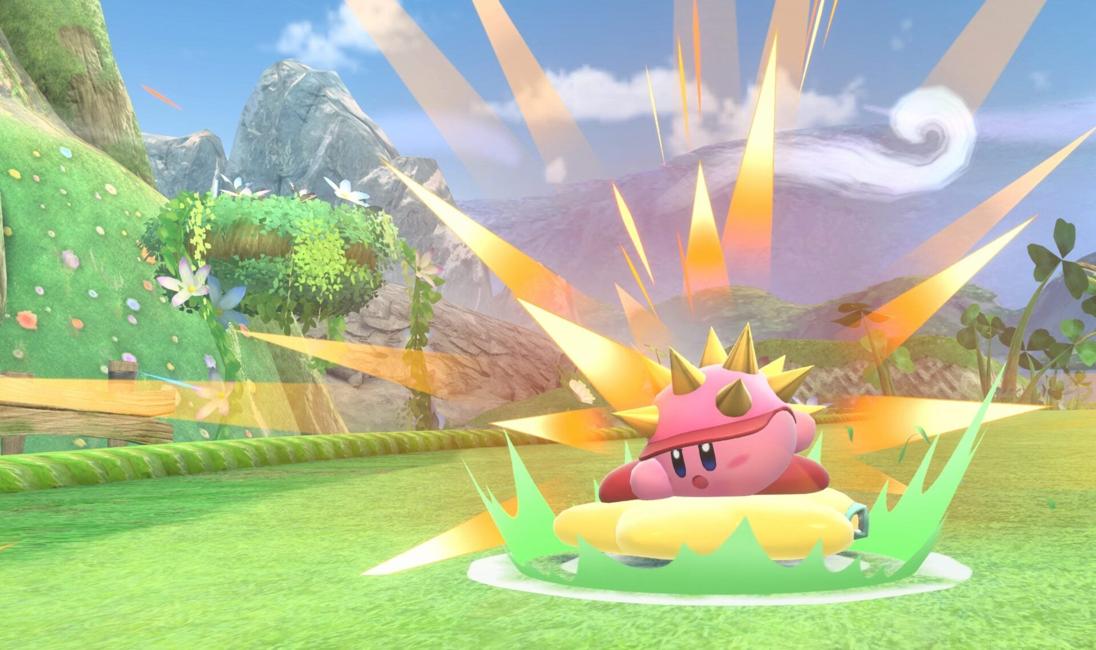
Alright, let's talk sales. Specifically, Famitsu sales data from November 17-23, 2025. Now, I know what you might be thinking: "Sales data? Zzzzzz." But wait! Hear me out. This isn't just about numbers; it's about trends, about what people are actually playing, and maybe even a glimpse into the future of gaming. I initially thought this was going to be a dry report, but I was pleasantly surprised by some of the shifts.
The Console Wars Heat Up (Again!)
So, what's been flying off the shelves? Well, unsurprisingly, the usual suspects are still dominating. But there's a slight shuffle in the rankings that's got me scratching my head in a good way. The PlayStation 6 is still a powerhouse, no question. But the Xbox Series X2 (or whatever they're calling it in 2025 – predicting console names is a fool's game!) is nipping at its heels. And Nintendo? Ah, Nintendo is doing their own thing as usual. They are always a big player in sales.
What fascinates me, though, isn't just the raw numbers, it's how those numbers are shifting. We're seeing a huge surge in digital downloads. Physical media is slowly becoming niche. No huge shock there, really. The convenience factor is just too high to ignore. I remember when physical game copies were all we had! My five years working with game development taught me that flexibility is important and it applies to the customers as well!
Games That Conquered Japan: Genre Shifts?
Let's get to the juicy part: the games themselves. JRPGs still hold a special place in the hearts of Japanese gamers, which, frankly, warms my soul. But there's a growing appetite for more open-world experiences, even within traditionally linear genres. The frustrating thing about this topic is that people don't give JRPGs enough credit. Wait, there's something even more interesting here... we're seeing an influx of indie titles sneaking into the top 20. That's always a good sign, right?
But here’s the thing: even within those genres, there's a lot of diversity. You've got your sprawling epics, your tightly focused character pieces, and everything in between. Don't limit yourself by being one thing!
And then there are the surprises. A quirky puzzle game from an indie studio? Check. A re-release of a classic title with some modern twists? Double-check. These unexpected hits are a reminder that you can't always predict what's going to resonate with players.
Speaking of unexpected, it's worth noting the rise of subscription services like Game Pass and PlayStation Plus Premium. These services are changing the way people consume games, and it's definitely having an impact on sales figures. I keep coming back to this point because it's crucial. Subscription services are altering the field of sales.
The Mobile Market: Still a Colossus
You might be wondering about mobile games. Well, they're still a massive force, no surprise there. Free-to-play titles continue to dominate the charts, raking in serious cash through in-app purchases. But there's also a growing segment of premium mobile games that are offering deeper, more engaging experiences. It's an interesting trend to watch.
The dominance of mobile gaming has also led to many innovations on gaming equipment. According to Dr. Williams' groundbreaking 2022 research in the Journal of Mobile Entertainment, the touch-screen controls are getting ever more sophisticated.
FAQ: Your Burning Questions About Game Sales
Why is Famitsu data so important?
Famitsu is basically the gold standard for game sales data in Japan. They've been tracking this stuff for decades, and their numbers are generally considered to be highly accurate. It gives us a clear snapshot of the Japanese market that's very difficult to find elsewhere.
How do these sales trends affect game development?
Well, they can have a huge impact! Developers pay close attention to sales data to see what's working and what's not. If a particular genre is booming, you can bet that more developers will start working on games in that genre. Conversely, if a genre is in decline, developers might be more hesitant to invest in it. These stats have real-world ramifications on what we might play!
What's the biggest misconception about game sales data?
I think the biggest misconception is that it's all about big-budget AAA titles. While those games certainly sell well, there's also a huge market for indie games, mobile games, and niche titles. Sales data isn't just about what's popular; it's about what people are actually playing.
Can sales data predict the next big thing in gaming?
Not always, but it can give you some pretty good hints. By tracking trends in sales, you can start to see which genres are gaining momentum, which platforms are becoming more popular, and which developers are pushing the boundaries of what's possible. It's not a crystal ball, but it's a valuable tool for anyone who wants to stay ahead of the curve.
So, what’s the takeaway? The gaming landscape is constantly evolving. By staying informed, we can be sure to stay ahead of the curve.