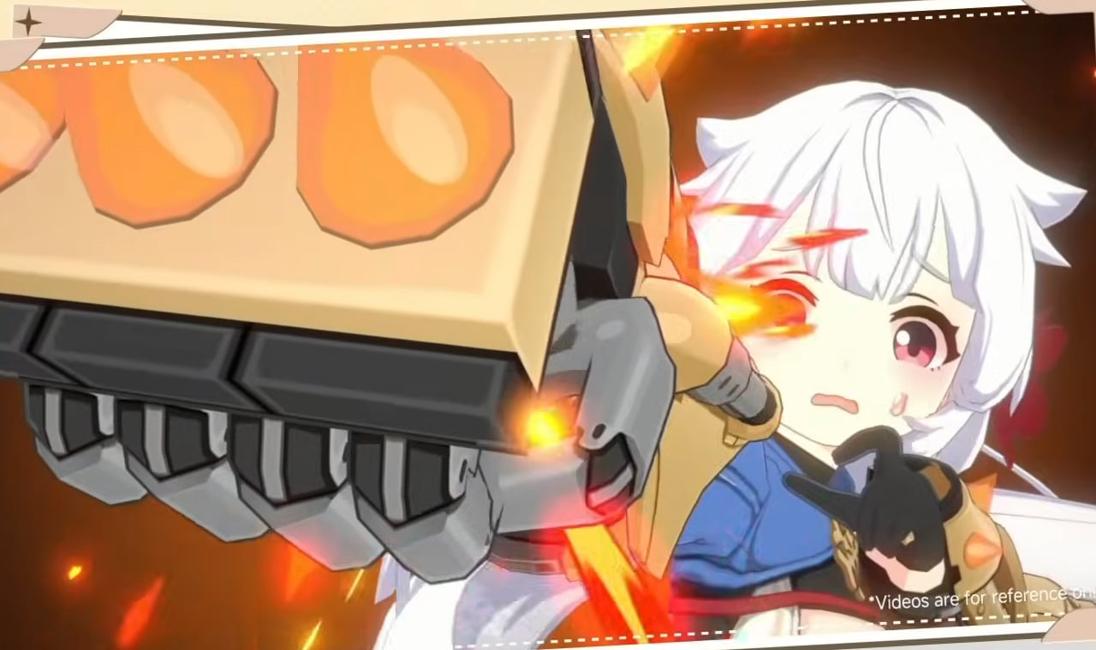
Okay, let's talk about the 'tiny penis' gesture backlash. I know, I know, it sounds ridiculous, right? But hear me out. It's actually a really fascinating intersection of social media, cancel culture, and, well, fragile masculinity. I initially thought it was just some isolated incident, but after seeing it pop up again and again, I realized there's something deeper going on here.
But, what even IS the 'tiny penis' gesture? You might be wondering. Well, it's essentially when someone makes a small pinching motion with their fingers, implying that another person is lacking in the uh... endowment department. Crude? Absolutely. Funny to some? Maybe. Career-ending? Increasingly, it seems so. Here's the thing: intent matters, or at least, it should matter. The problem is, online, nuance goes to die. Everything is amplified, scrutinized, and taken out of context. It's like trying to have a rational conversation in a stadium full of screaming fans. Good luck with that.
The Viral Spread of Insult
The frustrating thing about this is how quickly these things spread. Someone does something stupid, someone else films it, and bam! It's on every social media platform imaginable. Before you know it, the person is being labeled, shamed, and potentially losing their job. There’s little room for apology or explanation; the internet has already made up its mind.
And I think that's where the "backlash" part comes in. We're not just talking about a few angry tweets here and there. We're talking about coordinated campaigns to get people fired, sponsorships pulled, and reputations ruined. It's a digital pile-on of epic proportions. Honestly, I find it a little terrifying.
I remember when this kind of thing first started gaining traction. People would dig up old tweets or Facebook posts and use them as ammunition. But now, it's almost like people are actively looking for something to be offended by. Maybe I'm just getting old and grumpy, but it feels like we're losing our sense of humor. Related to iron man
When Jokes Go Wrong: Analyzing the 'Gesture Backlash'
Look, I'm not saying the 'tiny penis' gesture is high art or anything. It's sophomoric at best. But is it really worth destroying someone's life over? I’m not so sure. The punishment, in many cases, just doesn't seem to fit the crime. And that raises some serious questions about the nature of online justice.
Let me try to explain this more clearly: the internet is a powerful tool. It can be used to expose injustice, raise awareness, and connect people from all over the world. But it can also be used to spread misinformation, incite hatred, and ruin lives. And the 'tiny penis' gesture backlash, in many ways, is a perfect example of the latter.
Consider this: someone makes the gesture. It’s caught on camera. It goes viral. The internet explodes. People demand the person be fired. The person apologizes (or doesn't). The company caves to the pressure and fires the person. End of story? Not really. Because now, that person is branded for life. They're the 'tiny penis' gesture guy or girl. And that's a hard label to shake off.
The Impact on Gaming and Public Figures
Now, gaming, specifically, has its own unique relationship with this kind of online shaming. Think about the streamers, the YouTubers, the professional gamers. They're constantly under scrutiny, every move they make is being watched and analyzed. And if they make a mistake, if they say something stupid, if they do something offensive... well, you can guess what happens next. The backlash is swift, brutal, and often unforgiving. I’ve got to admit, this part fascinates me.
I initially thought that this was isolated to one or two incidents, but now I see that it’s systemic. Online shaming isn’t just about a single mistake, it’s about the entire culture. People feel emboldened to tear others down, hiding behind the veil of anonymity that the internet provides. The results can be devastating. Speaking of other games check out crazy games, where you can enjoy games for free.
Actually, that's not quite right. It’s not just anonymity. It's also about the perceived power dynamic. People feel like they're holding powerful people accountable. They see it as a form of activism, a way to fight against injustice. And in some cases, that may be true. But in other cases, it's just plain bullying.
And the line between accountability and bullying can be surprisingly blurry. What starts as a legitimate critique can quickly devolve into a personal attack. What begins as a call for justice can easily turn into a witch hunt. And that's why it's so important to be careful, to be thoughtful, and to remember that there's a real person on the other side of that screen.
FAQ: Navigating the Murky Waters of Online Conduct
How do I know if something is actually offensive?
That's a tough one! What's offensive to one person might be harmless to another. A good rule of thumb is to consider the context, the intent, and the potential impact of your words or actions. Are you punching down or punching up? Are you perpetuating harmful stereotypes? Are you being deliberately provocative? If the answer to any of these questions is yes, then you might want to reconsider what you're doing.
Why is the 'tiny penis' gesture considered offensive by some?
For many, it taps into deeply ingrained insecurities about masculinity and body image. It's seen as a way to belittle and emasculate someone, reducing their worth to the size of their genitals. And, let's be honest, it's just not very original. It's a lazy insult that relies on tired stereotypes.
What should I do if I accidentally cause offense online?
Apologize! Sincerely and without qualification. Don't try to justify your actions or make excuses. Acknowledge the harm you've caused and take responsibility for your mistake. Then, listen to what people have to say and learn from the experience. It’s ok, we all make mistakes.
Is there such a thing as going too far with online shaming?
Absolutely. As I've said before, the punishment should fit the crime. Destroying someone's life over a stupid joke or a momentary lapse in judgment is never justified. We need to remember that everyone is capable of making mistakes and that everyone deserves a second chance. Or third. Or fourth. The point is, we need to be more forgiving and less quick to condemn.
So, where does this leave us? Honestly, I'm not sure. But I think it's important to keep talking about these issues, to keep questioning our assumptions, and to keep striving for a more just and compassionate online world. It won't be easy, but it's worth fighting for. Think about it this way…
One thing is for sure: the internet isn't going anywhere. Social media isn't going anywhere. And the potential for online shaming isn't going anywhere. So, we need to learn how to navigate these treacherous waters. We need to develop thicker skins, stronger moral compasses, and a healthier sense of perspective. And maybe, just maybe, we can start to create a more positive and productive online environment.