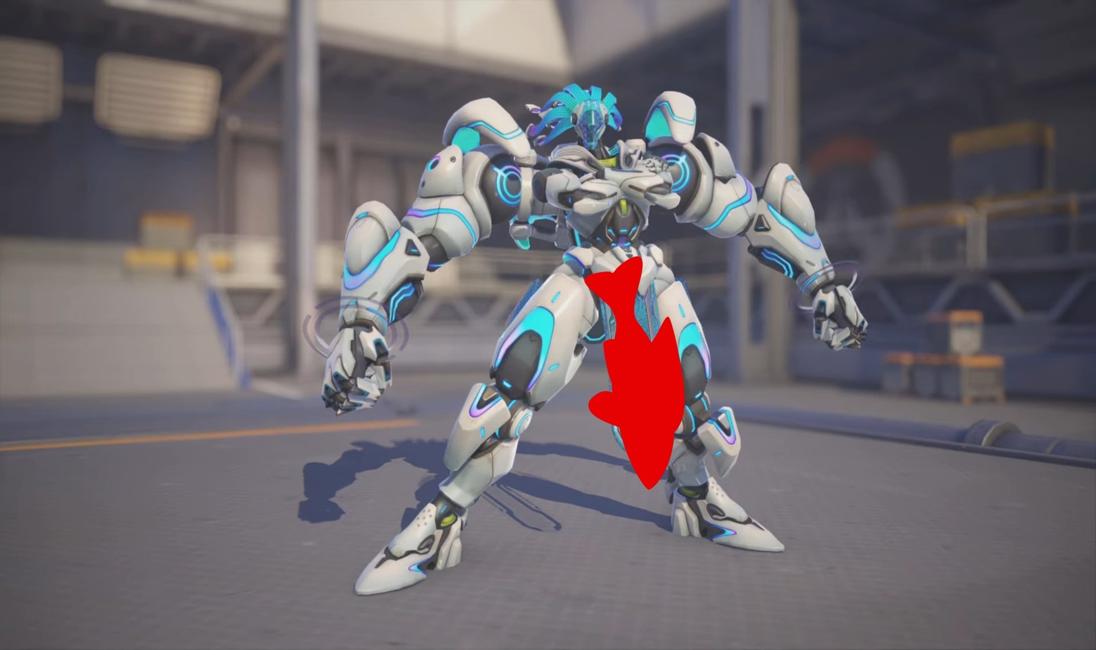
Okay, let's be real. Overwatch 2. It's a topic that gets people talking. And sometimes, the conversation takes a weird turn. Like, "robot war criminal now has a penis" kind of weird. I know, I know – it sounds absurd, right? But stick with me. There’s a whole fascinating, and frankly bizarre, story behind it. I've got to admit, this part fascinates me and how it reflects on us.
We’re talking about Orisa, by the way. Not that naming names makes it any less... unexpected. The whole thing started, as these things often do, with a fan theory. Actually, it wasn’t even a theory at first. More like a playful observation about Orisa’s design. Then it spiraled. You know how the internet works.
But before we dive into the deep end of robot anatomy, let's back up. Overwatch 2 launched, bringing with it a wave of changes. Some good, some... debatable. But one thing's for sure: it’s kept the player base engaged. Speaking of engaged, have you seen some of the gaming setups people have? Wild.
The Orisa 'Controversy' (and Why It Matters)
So, the controversy. Or… well, let’s call it a discussion. It all boils down to representation. Orisa, a character coded as female, suddenly had… anatomical features that don’t quite align. Why does this even matter? Here's the thing: characters in games, especially diverse ones like Overwatch, matter. They reflect our values, our aspirations, and sometimes, our biases. When a character's design choices feel inconsistent or tokenistic, it raises questions. Big questions. Questions about who’s making these decisions and what message they're sending.
But it’s not all doom and gloom. This whole thing sparked a conversation. A conversation about gender, representation, and the evolving landscape of character design. And honestly? That’s a good thing. We need to be able to talk about these issues openly and honestly, even when they're uncomfortable. It's how we make progress.
Think about it this way: Overwatch has always been praised for its diverse cast. Characters of different ethnicities, sexual orientations, and gender identities (or lack thereof) all coexisting in this vibrant world. So when something feels… off, it's natural to question it. Actually, that's not quite right; it's necessary to question it.
Overwatch 2's Changing Landscape
Overwatch 2 isn’t just a game; it’s a cultural touchstone. It reflects our society, our values, and our anxieties. The frustrating thing about this topic is that it’s not black and white. There are valid arguments on both sides. Some might say, “It’s just a game! Get over it!” Others might argue that these details matter, that they contribute to a larger narrative. Both points of view have merit.
And the game is constantly evolving. Blizzard is tweaking heroes, maps, and game modes based on player feedback. They’re actively listening (or at least, appearing to). Which is more than some companies can say, am I right?
Now, some might argue that focusing on Orisa’s design is missing the bigger picture. That there are more important issues to address in Overwatch 2, like balancing issues, server problems, or the monetization model. And they wouldn’t be wrong. But these seemingly small details do contribute to the overall experience. They shape our perception of the game and its world. And they spark conversations that, ultimately, push the game forward.
Robot Rights and Representation: A Serious Aside
Wait, there's something even more interesting here... the implications. If we're assigning genders (or perceived genders) to robots, what does that say about our understanding of gender itself? It's a philosophical rabbit hole, I know. But games often reflect our own biases and assumptions about the world. And sometimes, those assumptions are worth examining. I remember when the first inklings of AI art started to appear. The world changed overnight. Okay, maybe not overnight. But rapidly.
Think about it this way: we're projecting human traits onto non-human entities. We're anthropomorphizing machines. And in doing so, we're revealing our own understanding – or misunderstanding – of what it means to be human. This isn't just about Overwatch 2; it's about our relationship with technology and our evolving understanding of identity.
So, yeah, Overwatch 2’s robot war criminal now has a penis. Or maybe she doesn’t. The point is, it sparked a conversation. A conversation about representation, gender, and the ever-evolving landscape of video game design. And that conversation, in itself, is a win. You might be wondering, why am I spending so much time on this? Because these are the things that shape our culture. These are the details that make us think, question, and ultimately, grow. And who knows? Maybe Blizzard will take note and make some changes. Or maybe they won’t. But at least we’re talking about it. More information about the game can be found on Overwatch's official site.
FAQ: Overwatch 2 and Robot Anatomy
Why are people so focused on Orisa's design?
Because representation matters! Overwatch has built its reputation, in part, by catering to a diverse audience and representing a variety of different people. So, when something in a character's design feels off or inconsistent with that goal, it's natural for people to question it and discuss it. It's not just about one character; it's about the overall message the game sends.
Isn't it just a game? Why does this matter?
Games are cultural products. They reflect our values, our biases, and our aspirations. They shape our understanding of the world. So, yes, it's "just a game," but games have real-world impact. And the characters within those games can influence how we see ourselves and others.
How does this relate to the larger issues in Overwatch 2?
It's all connected. Character design, gameplay balance, server stability, monetization – it all contributes to the overall experience. And if one element feels off, it can detract from the whole. It is not about making mountains out of molehills, but rather it is about making a game more and more inclusive to its fanbase.
Is Blizzard likely to change Orisa's design based on this feedback?
It's hard to say. Blizzard has shown a willingness to listen to player feedback in the past, but they also have their own creative vision. Whether they'll make any changes to Orisa’s design remains to be seen. But the fact that people are talking about it increases the likelihood.